


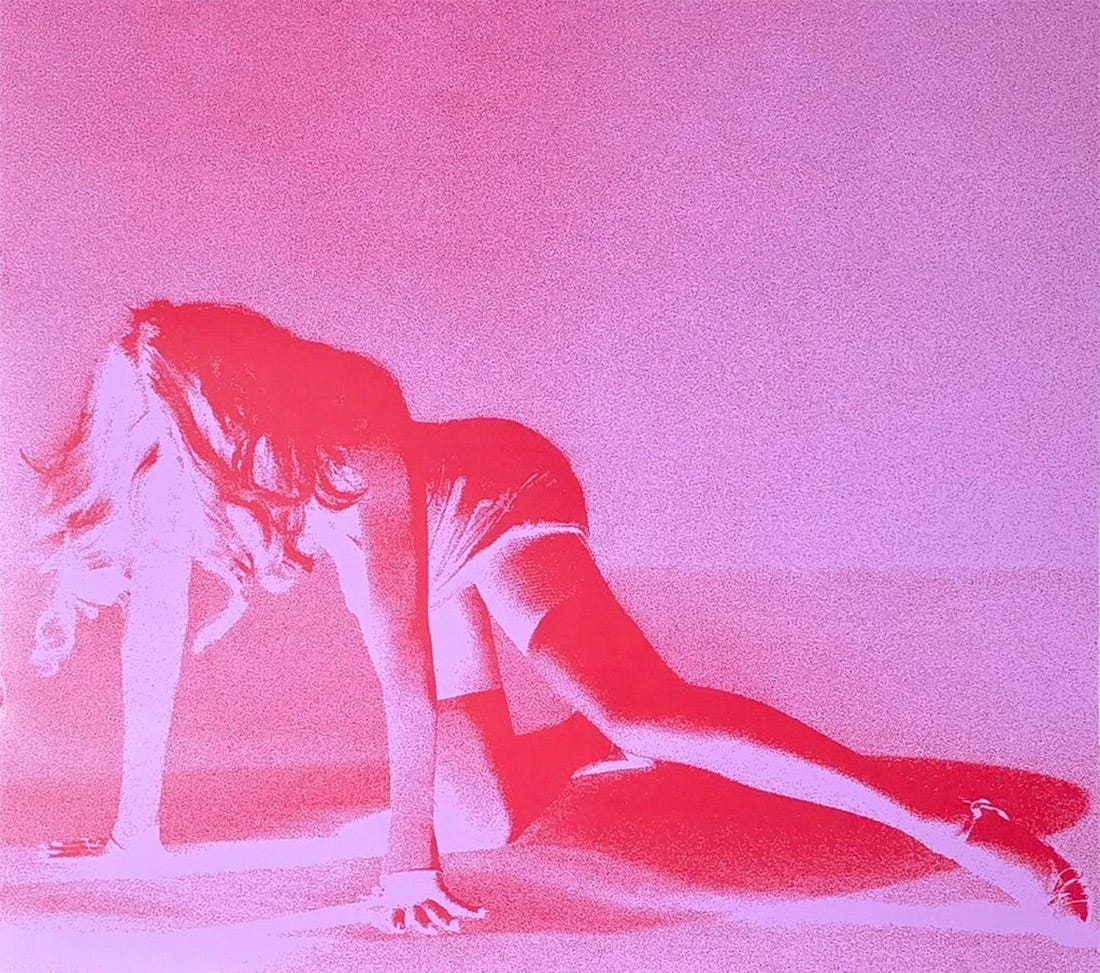
I was seven years old when MTV entered my life. I was already consumed by music then, spending my days listening to records and the radio. But once my folks got cable TV, and I pressed in the digits on that clunky remote, clicking the set-top box over to Music Television, I was forever changed. It expanded music in ways I’d never imagined, allowing me to experience it more vividly, in ways that album artwork merely suggested. It also instilled my first impressions of New York City, beamed in between commercial breaks.
Three artists were ubiquitous then: Michael, reinventing himself with Thriller, was quickly ascending toward mythical status; Prince was well on his way to embodying the immortal silhouette of his Purple Rain era; and finally, in the spring of ‘84, there was Madonna.
Madonna was something that the others weren’t: a bona fide New York City club kid. She’d come up through Danceteria, the Funhouse, and Paradise Garage amid the death throes of disco, latching onto dance music’s latest iterations, freestyle and boogie. Like Prince, she gleefully flaunted her sexuality, inciting and embracing controversy; like Michael, her style was instantly recognizable, echoed by teens and twentysomethings across the globe. And she possessed something neither of the boys did: a streetwise brashness that belied her soft features. I was blown away.
Throughout the 80s, I absorbed every album Madonna released, memorizing her songs and videos. Those records— her self-titled debut through Like a Prayer— permanently imprinted on me, becoming as entwined in my DNA as any strand in the helix. But when I discovered alternative rock in the early 90s, my interest shifted away from her newer work, which was leaning deeper into house music. I was more interested in where music could go when freed from commercial restraints, falling in love with local music culture, college radio, and zines. Indie music was everything I’d searched for.
As I blasted Nirvana and Hole, the Breeders and Built to Spill, Guided by Voices and Yo La Tengo, I tuned out of my hometown pop station’s Saturday night broadcasts, which aired live DJ mixes from local clubs pumping C&C Music Factory, Black Box, and Crystal Waters. I still admired Madonna’s originality and fearlessness, and resonated with occasional hits, but her music no longer felt like part of my world.
As the years ticked on, we sadly lost Michael and Prince. Madonna endured but struggled to produce vital work. For years, her efforts were met with dashed hopes at best. I often wished she would stop chasing empty musical trends and make a record that looked back unflinchingly at her career, weathered and worn and true to life. So I was elated when, 10 days ago, Confessions II was revealed as her most autobiographical album, reflecting on her life while sounding as fresh and relevant on the dance floor as any she’s made. It’s also extended Pride month well into July.
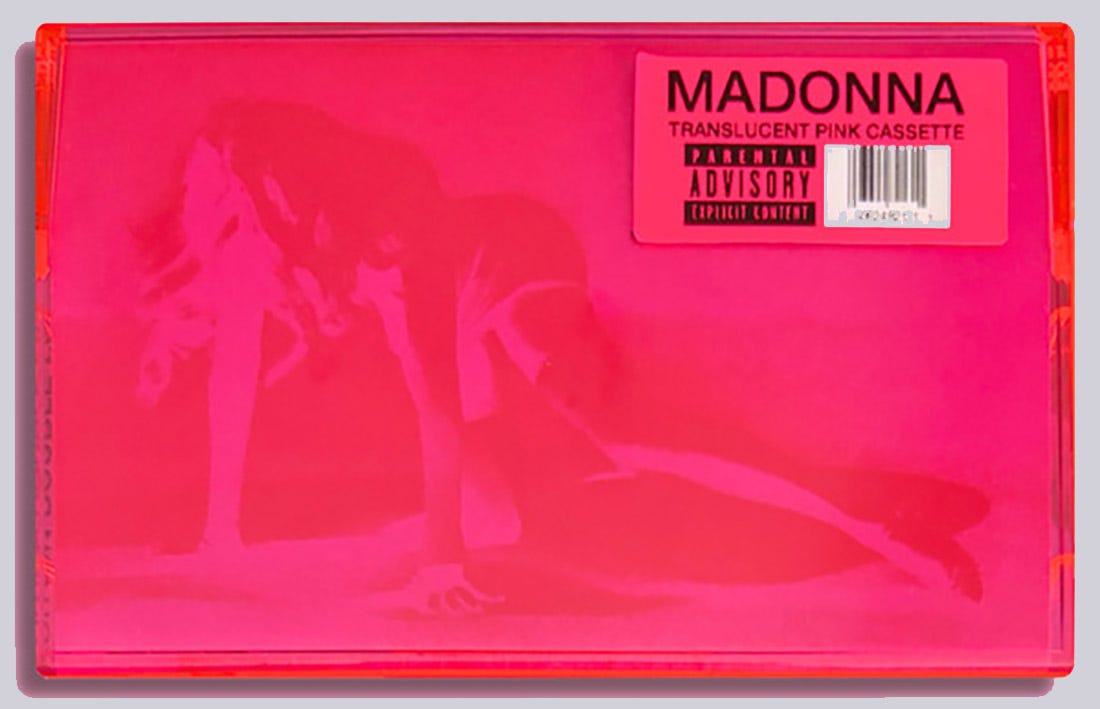
My closest friends know that I came out as gay in the spring of 2022, and that by midsummer, I had fallen madly for my perfect guy. He’d discovered his sexual identity as a teen, and grew up immersed in gay culture the same way that I grew up immersed in indie culture. He had also discovered indie music through bands like Beach House and M83, but gravitated just as much toward gay clubs and drag shows. House music had always been a part of his life. He couldn’t imagine not recognizing the full magnitude of Madonna’s impact.
I’ve since explored Madonna’s catalog and classic house remixes with a newfound reverence, only just discovering and recognizing her ‘90s and early ‘00s output for the miracles that they are. Biases in music taste and gaps in knowledge can take a lifetime to overcome. Four years later, I’m still learning, but I’m also seeing through new eyes, from within this other culture. I now vividly recognize Madonna’s impact on queer lives, in part because I’ve come to see how she also spoke to that part of me at a young age, even as I failed to understand who I really was.
Still, I’d never seen Madonna live. I’d badly wanted to catch her Celebration tour in 2023, but with even nosebleeds priced at more than a grand apiece at Brooklyn’s Barclays Center, I simply couldn’t justify the cost. In the days after that show, I found myself skipping past the highlight reels on social media, stricken by regret and the realization that, had Prince or possibly even Michael lived long enough to take victory laps of their own that year, I’d have moved mountains to see those shows. Somehow, I was still taking Madonna for granted.
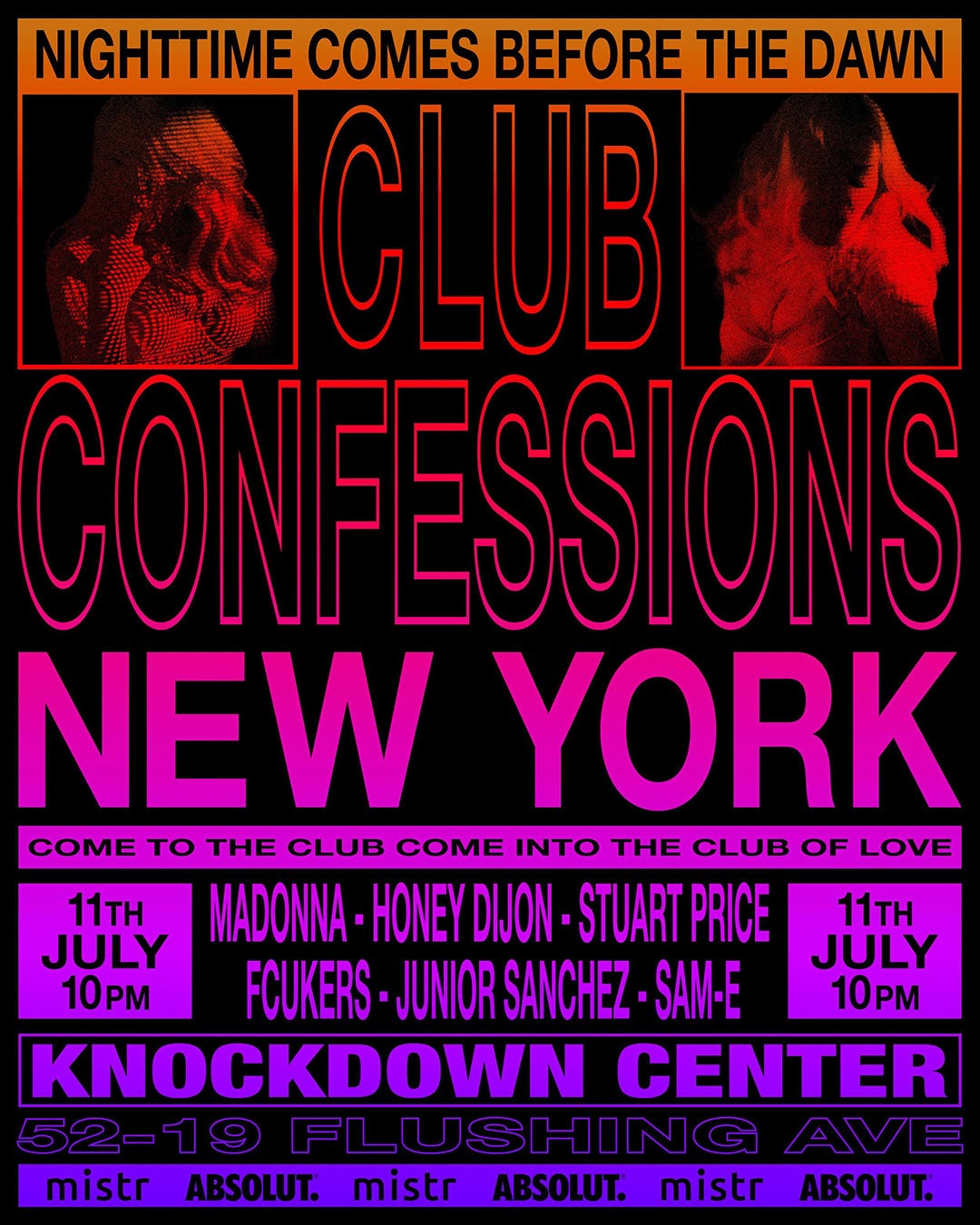
Then, last Wednesday, she announced a party celebrating Confessions II at Knockdown Center in Queens. The moment that flyer hit my feed, I was prepared to do whatever was necessary to be in that room. No tickets were being sold. In classic New York club tradition, I only got in because I knew someone (big shoutout to the homie, Jeff K!)— but then, incredibly, all of my gay friends got in, too, and even some straight ones. Inside, free-drink coupons littered the bars. Madonna had covered all costs to throw this massive free party for anyone committed enough to find a way in, at New York’s biggest (and imo, best) dance club, bookended by sets from house legends Junior Sanchez and Honey Dijon.
As Madonna took the stage at 1 a.m., backed by longtime collaborator Stuart Price, the room erupted in glorious cries and cheers. She launched into a set of songs from Confessions II featuring instantly indelible lines that beg to be shouted aloud (“Everybody here is a work of art!” “Come into the club of love!” “School is in session!”). A half hour later, she closed with an extraordinary triptych that all but reduced the concrete hall to rubble and ash: “Get Together,” “I Feel So Free,” and finally, “Hung Up.”
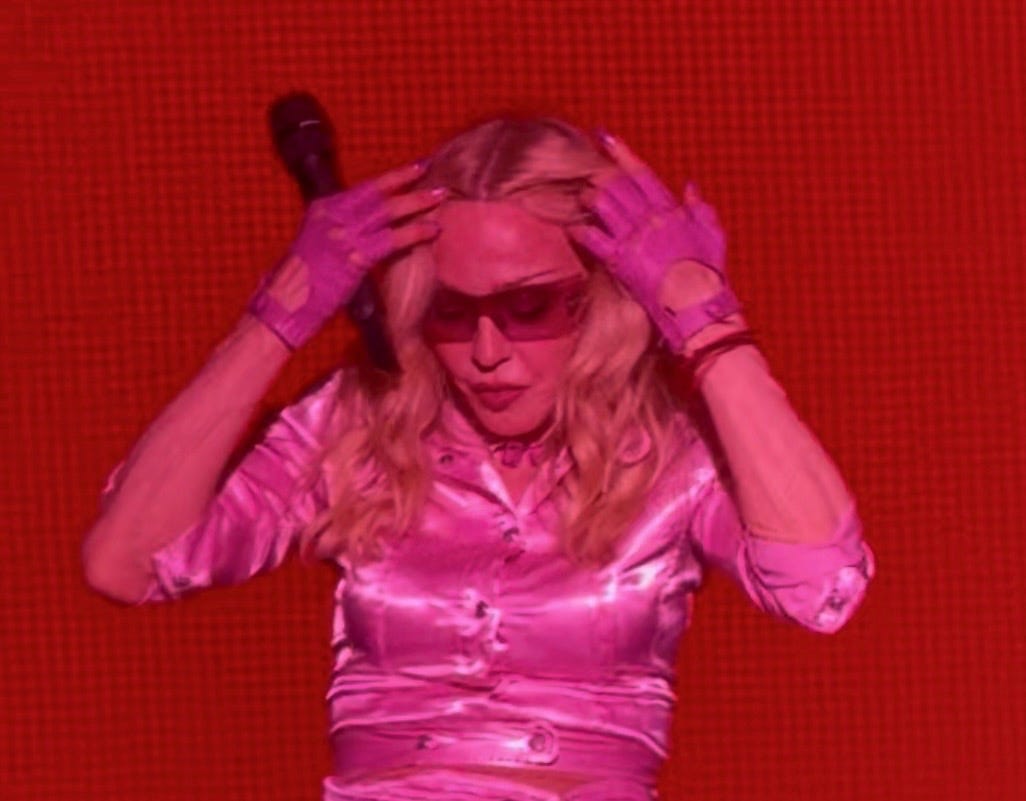
Sharing space with this living legend, whose euphoric anthems felt in that moment like the apex of all that music can achieve, I thought back to the decades I spent aligning myself mainly with indie music. There’s not much about that mission I would change, because focusing all my efforts on lifting up the indie music community helped carve out space for so many misfit artists and listeners like myself. But I also recognize now how it excluded so many others. It took me decades to understand the language Madonna was speaking, and even longer to accept that it was my language, too.
My memoir, Weird Era: How Pitchfork Changed Music Forever, will be released on December 1st via Farrar, Straus & Giroux. Pre-order your copy here.
we love a reconsideration (confession?)!
I'm also an indie kid who is discovering the wider Madonna universe through a boyfriend who grew up in it haha. Love this.