


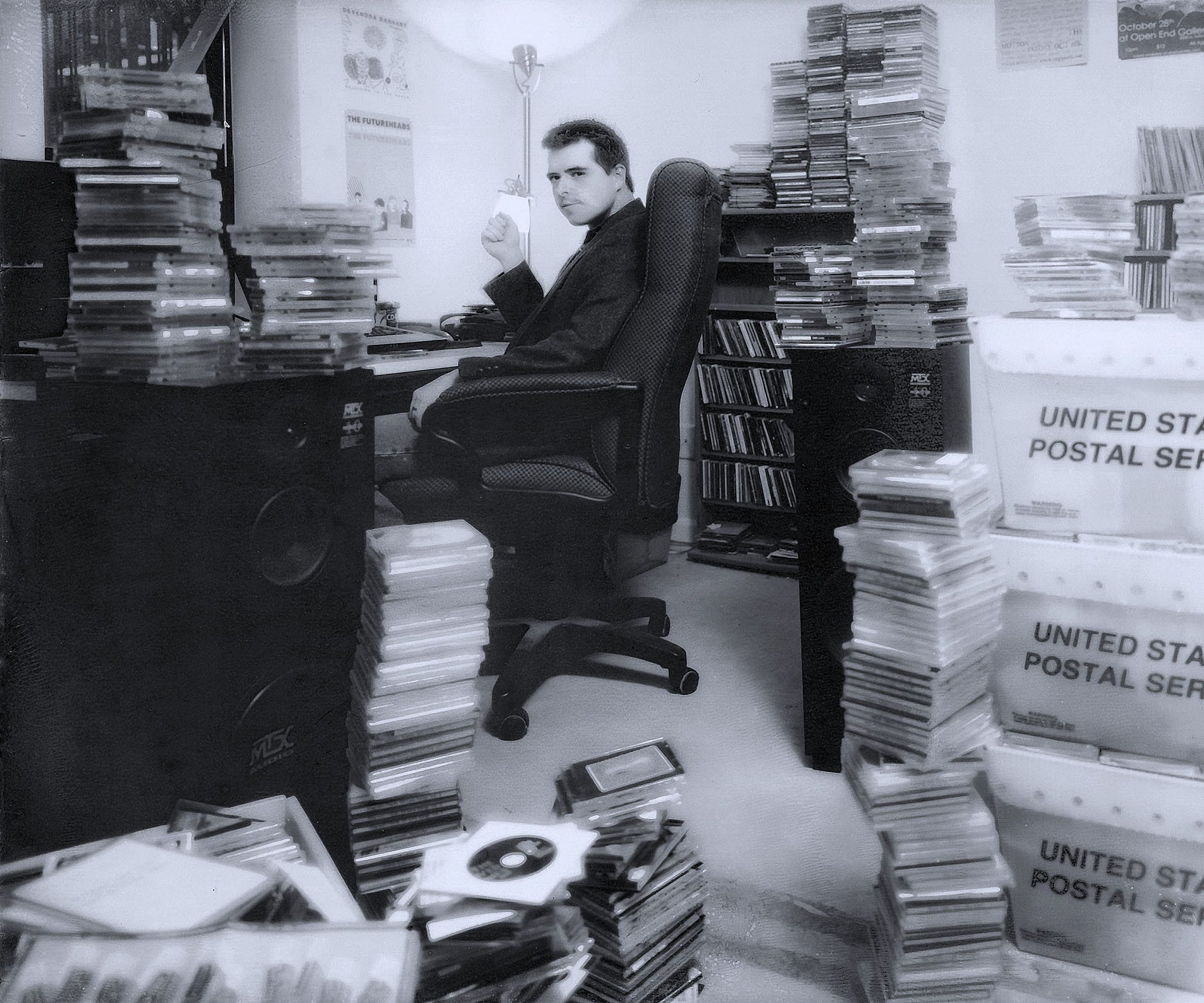
Yep, that’s me.
You’re probably wondering how I ended up there, at the reins of the internet’s most powerful music site during the mid-aughts’ indie rock fever dream. Queue a montage of festival wristbands, 503 server errors, and dubious facial hair. It’s a long story, but I promise it’s a good one.
Flash forward. The year is 2026. Pitchfork is celebrating its 30th anniversary, and the memoir I’ve been writing over the past few years is coming out in time for Christmas. It’s called WEIRD ERA: How Pitchfork Changed Music Forever (and you can pre-order it here).
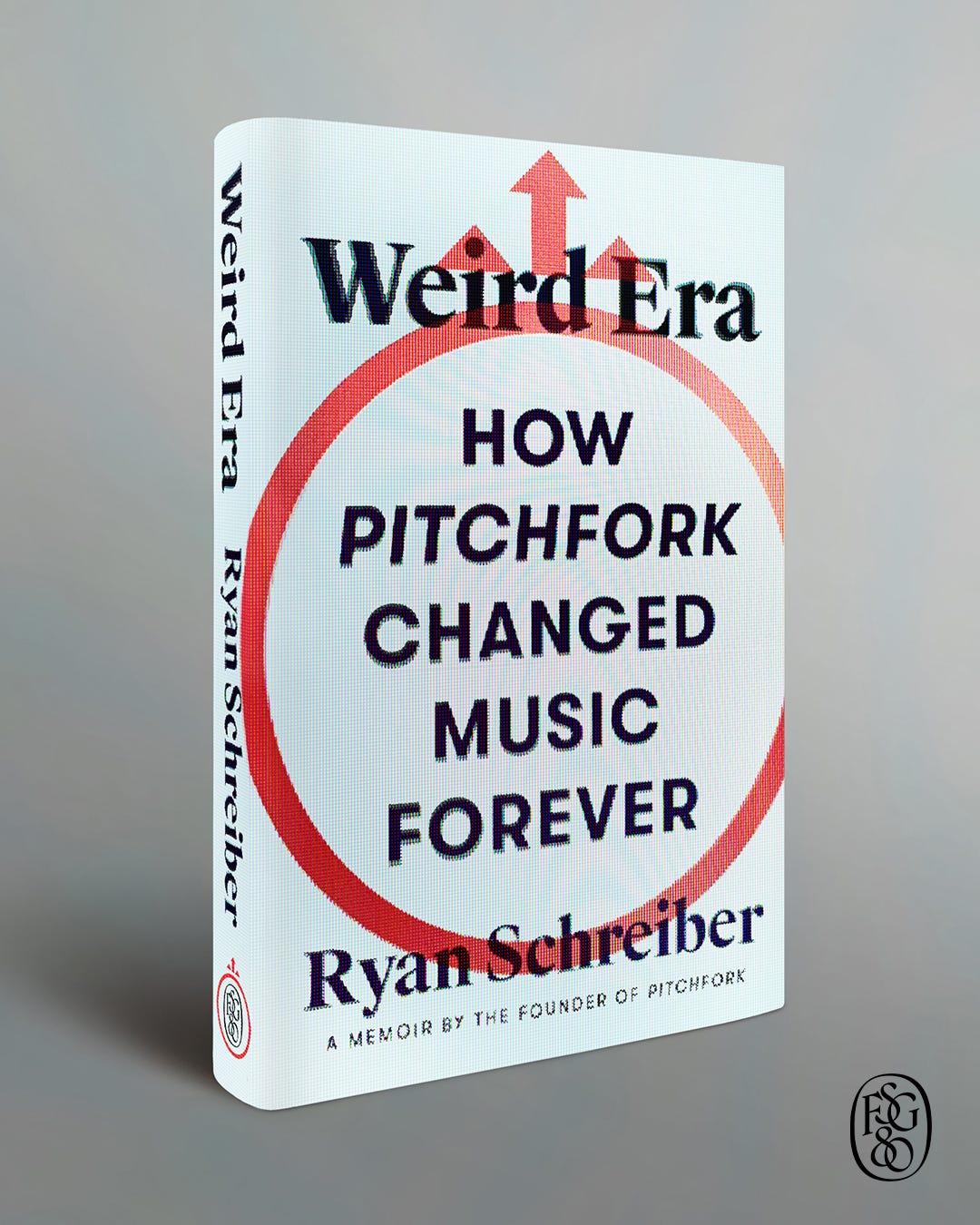
It’s a funny title— or, it’s supposed to be. It nods to the shadowy second disc of Deerhunter’s Microcastle, one of my favorite albums of Pitchfork’s peak-indie years. The subtitle, How Pitchfork Changed Music Forever, is patently sensationalized and a bit of classic internet trollbait. But since Pitchfork has spent all these years drowning buzzbands in hyperbole, it felt only right to carry on the tradition.
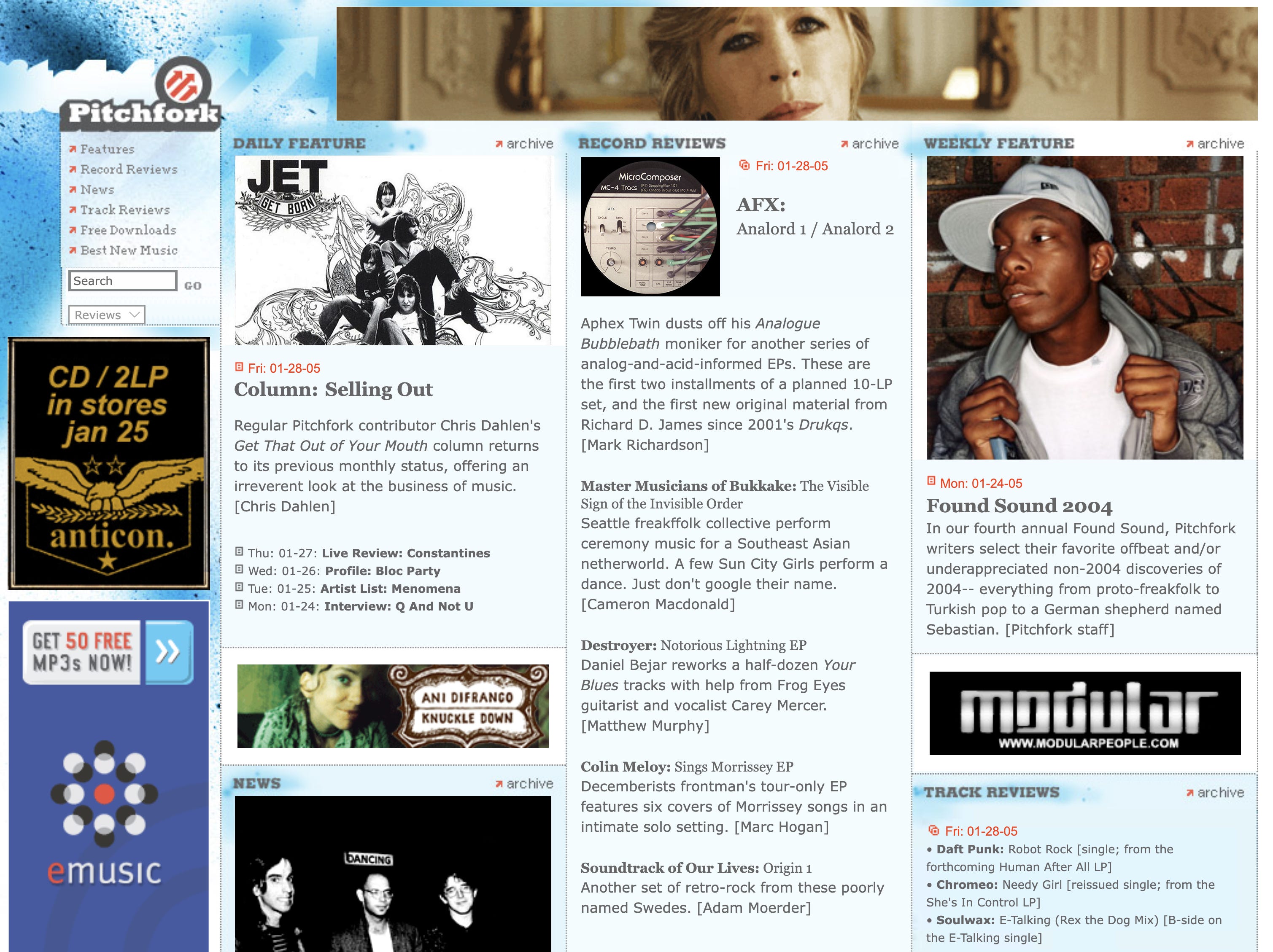
If you read music criticism, you probably know that Pitchfork started as an outpost for mostly indie rock, standing in opposition to mainstream music culture. But as the site gained readers and influence, indie music began intertwining with pop culture in conspicuous ways.
At first, it was innocuous, soundtracking coming-of-age arcs in movies and TV series. Then, it became a force for political change, as bands like Arcade Fire and the National threw their weight behind Obama’s presidential campaign. By the 2010s, indie’s flagship bands were topping the Billboard charts and sweeping the Grammys— once-unimaginable feats. Before we knew it, Kanye, Beyoncé, and Taylor Swift were harvesting its talent, threatening to subsume indie into pop music’s DNA altogether.

We all know that story.
The story you haven’t heard is mine: the one about the amateur blogger whose tiny e-zine grew into music’s most polarizing tastemaker, able to make careers overnight or destroy them with a decimal point. WEIRD ERA tells the inside story of the arguments behind the ratings and reviews that led a generation of listeners to the music they loved (and hated!), the messy collapse of indie idealism, and ultimately, the painful necessity of ceding my company to the corporate machinery I’d spent my life trying to outrun.

Writing this book was a surreal reversal: After decades of critiquing other people’s art, I had to turn that same lens on myself. Luckily, I still had nearly every laptop and hard drive I ever owned. Over the years, I saved and cataloged thousands of emails, AIM chats, and the private staff message boards where our most infamous debates went down. Sifting through all that data was intense, and it threw me right back into the site’s glory days, when covering every new artist felt like a matter of life and death.
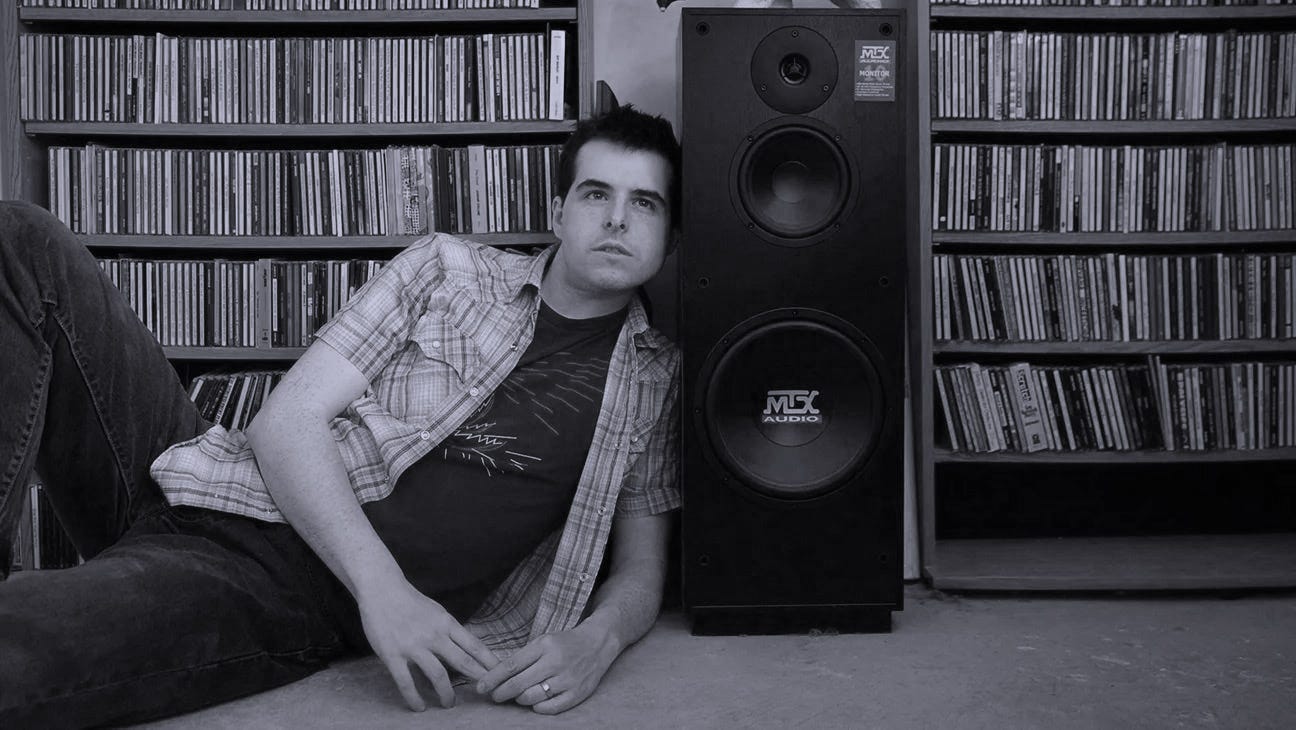
I wrote WEIRD ERA for Pitchfork’s readers, to demystify the methods behind the machine. But I also wrote it for myself, as a means of returning to the work I love. Some of you may know that I mostly stopped writing for Pitchfork in 2004. This book helped me, finally, to rediscover my voice. Since leaving Pitchfork, I’ve worked as a media strategist, a public speaker, and an artist consultant, and I still enjoy all of those roles. But it turns out that what I really want to do with my life is the thing I was doing all along.
So, welcome to Ethernet.fm. This newsletter won’t just be a post-script to WEIRD ERA or a promotional ticker. It’ll be an extension of my archives and a place to revisit (and re-evaluate) the music Pitchfork covered. It’ll explore new music I love, offering context for my monthly “What’s Good” playlists and DJ sets for The Lot Radio. And crucially, it will soon become a home for fresh perspectives from new and familiar voices. This is an excellent time to subscribe.
One final note: To celebrate WEIRD ERA’s completion, and to carve a new path forward, I’m making an important change. For almost three decades, my identity has been inseparably bound to Pitchfork. In fact, I’ve been online as “Ryan Pitchfork” for almost as long as the web has existed. Today, I’m retiring that moniker. You can now find me on the web at ryanschreiber.fm, and on socials as @ryanschreiberfm. (The name change is slightly delayed on Instagram.)
Thanks to my editor, Jackson Howard, for his expert guidance and unwavering belief in this project; to my story editor, Jayson Greene, for helping me carry it across the finish line; and to my agent, William LoTurco, for making it possible in the first place.
WEIRD ERA: How Pitchfork Changed Music Forever will be in stores on December 1, 2026, from Farrar, Straus & Giroux — but you can pre-order your copy now.
I was maybe 12 when I first started obsessively checking the BNM feed — living in China, with basically zero access to any of this music culturally around me, and Pitchfork was genuinely the only door that existed. That’s how I found FKA Twigs, Caroline Polachek, Sufjan Stevens and so many others who completely rewired how I hear the world. That’s how, years later, I ended up spending an entire week just sitting with Diamond Jubilee after you guys covered Cindy Lee — that album is now the closest thing I have to a religion.
Now at 17, as I prepare to study Media Studies, I’ve realized that my entire understanding of digital culture started with your reviews. This book isn’t just a memoir to me; it’s a textbook for my future career.
I don’t say this lightly: I genuinely don’t know who I’d be without this. Thank you so much, Ryan — really! Can’t wait for this book.🥹❤️
♥️♥️♥️♥️ a true sonic pioneer with a beautiful dark twisted hero’s journey to match.. cannot wait for everyone to meet the lovable human behind it all. all the flowers u deserve 💐